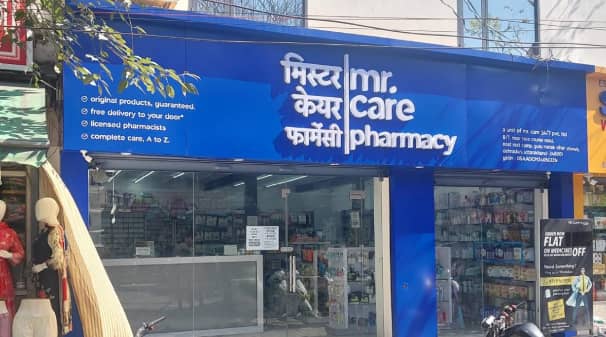
When you walk into a pharmacy, you’re not just picking up a product. You’re placing trust in the hands of someone who knows more about your health than you do in that moment. That’s a responsibility that most pharmacies acknowledge but few actively earn.
Mr Care Pharmacy, known as a trusted pharmacy in Dehradun, has built its reputation not through advertising claims but through something far more reliable: consistent, honest service that puts patients before transactions.
This post looks at what genuine trust in healthcare actually means, and why the approach taken by Mr Care Pharmacy is worth paying attention to.
Why Trust Has Become the Defining Issue in Modern Pharmacy
The pharmacy sector in India has grown significantly over the past decade. More options, more online alternatives, more discount chains. But more options haven’t necessarily meant more trust.
Patients report a familiar set of frustrations: being handed a generic substitute without explanation, receiving medicines close to expiry, or getting no guidance at all about drug interactions or correct dosage timing.
According to the Indian Pharmaceutical Association, patient counseling is a professional obligation of licensed pharmacists, yet it remains inconsistently practiced across retail outlets. The gap between what patients need and what they actually receive is real, and it affects health outcomes.
Trust, in this context, isn’t a soft concept. It’s measurable: in whether a patient returns, whether they follow their prescription accurately, and whether they feel comfortable asking questions.
What "Transparent Communication" Actually Looks Like
Transparency is a word that gets overused. Here’s what it means in practice at a pharmacy counter.
A transparent pharmacy tells you when a medicine is out of stock rather than substituting without asking. It explains the difference between a branded drug and its generic equivalent, including cost differences, so you can make an informed decision. It tells you if your prescription has a potential interaction with something you’re already taking, even if that conversation takes an extra three minutes.
Mr Care Pharmacy operates on exactly this standard. The team is trained to treat every patient interaction as a health consultation, not a sales transaction. When a customer doesn’t understand why they’ve been prescribed two medicines that seem similar, the pharmacists explain the difference. When a customer is concerned about side effects, they’re not brushed off.
This kind of communication takes time. It also builds the kind of relationship that makes patients come back, refer friends, and trust the advice they receive.
The Problem with Counterfeit and Substandard Medicines
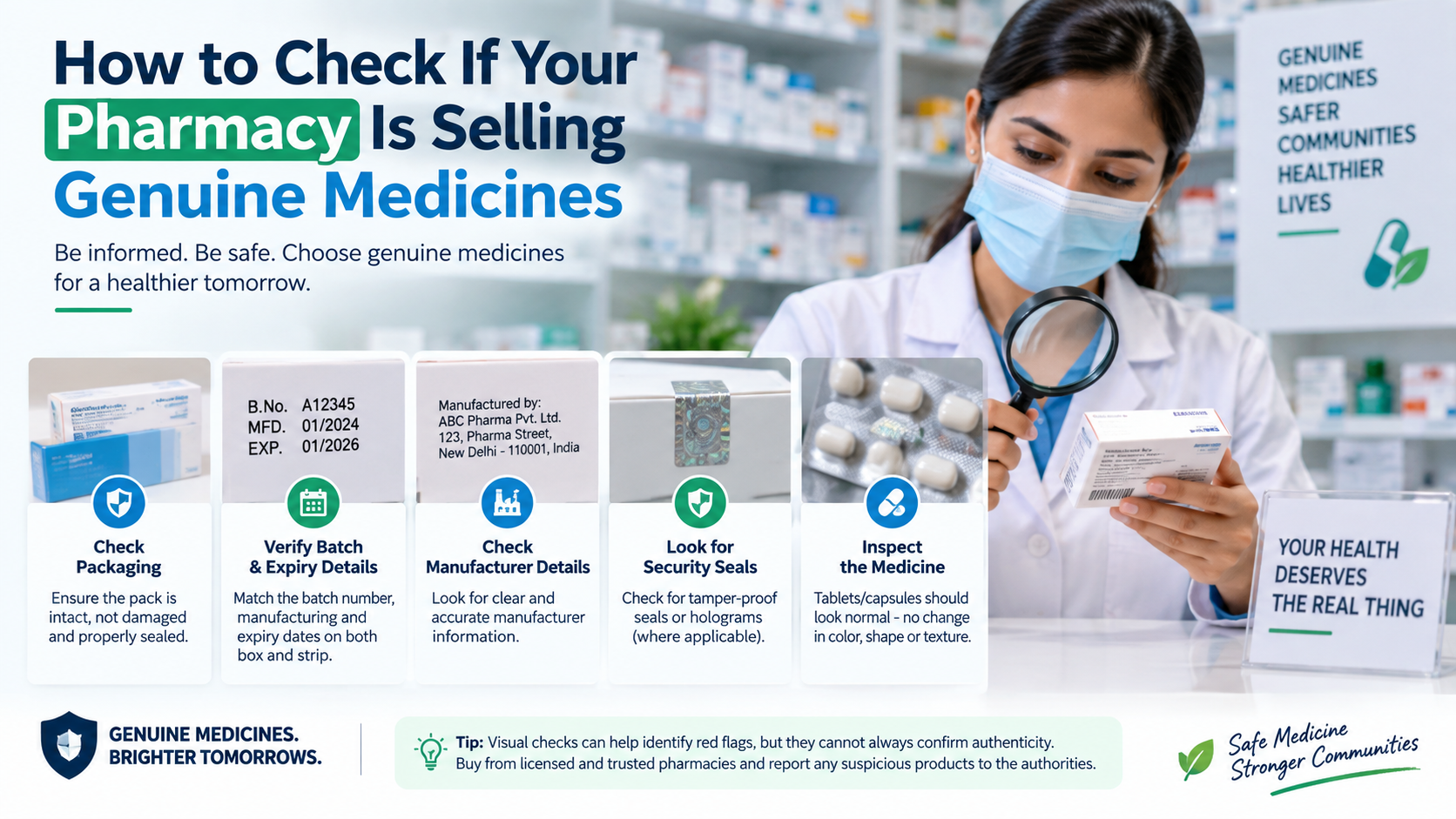
India’s drug regulatory environment has improved substantially, but counterfeit and substandard medicines remain a documented concern. The Central Drugs Standard Control Organisation (CDSCO) publishes regular alerts about spurious drugs found in circulation.
For a patient managing a chronic condition, receiving a substandard medicine can have consequences that are hard to detect and dangerous to ignore. Blood pressure medications that don’t deliver their stated dose. Antibiotics with degraded active ingredients. Insulin that has been stored incorrectly.
A trusted pharmacy in Dehradun sources medicines only from licensed, verified distributors. Mr Care Pharmacy maintains strict procurement standards, working exclusively through authorized supply chains and checking batch numbers against manufacturer records where needed. Customers can ask about sourcing and receive a straight answer.
This isn’t just a compliance matter. It’s a moral baseline.
How Honest Guidance Builds Long-Term Patient Relationships
Here’s something most pharmacy chains don’t talk about openly: the most profitable customer is a returning customer who trusts you.
Chasing one-time transactions through discounts and deals is a race to the bottom. Building a base of loyal patients who bring their family members and refer neighbors creates compounding value over years.
The way Mr Care Pharmacy earns that loyalty is through honest guidance, even when it isn’t commercially convenient. If a brand-name medicine offers no clinical advantage over a fraction-of-the-cost generic, the pharmacist says so. If a patient is buying a supplement that’s unlikely to help their stated concern, they’re told the truth.
This requires pharmacists who understand their role as healthcare professionals, not just retail staff. It also requires a business model that values patient outcomes over short-term upselling.
Patients notice this difference. They describe it in how they talk about the pharmacy to others: “They actually explain things,” “They told me I didn’t need the expensive version,” “They remembered my mother’s prescription.”
The Role of Correct Storage and Handling in Medicine Authenticity
An authentic medicine isn’t just about the manufacturer. It’s about how the medicine has been handled from factory to patient.
Temperature-sensitive medicines like insulin, certain antibiotics, and vaccines require cold chain management. Medicines stored above recommended temperatures lose potency. This is a well-documented issue in retail pharmacy, particularly in India’s warmer climates.
Mr Care Pharmacy invests in proper cold storage infrastructure and trains staff on correct handling procedures. When a medicine requires refrigeration, patients are also told how to store it at home. That guidance closes the loop on a process that too many pharmacies leave open.
The Bureau of Indian Standards and the Schedule H requirements under India’s Drugs and Cosmetics Act set out storage obligations clearly. Following them isn’t optional; it’s the standard that any pharmacy asking for your trust should be held to.
Serving Patients With Chronic Conditions: A Case for Consistency
Patients managing diabetes, hypertension, thyroid disorders, or other long-term conditions interact with pharmacies more frequently than the average person. For them, the pharmacist relationship is ongoing, not transactional.
These patients benefit from a pharmacy that keeps records of their regular prescriptions, flags refill deadlines, and notices when something in their medication profile changes. They benefit from being able to ask questions without feeling rushed.
Here’s what consistent, patient-centered service looks like for chronic care:
- Keeping accurate records of long-term prescription histories
- Flagging when a new prescription might interact with an existing medicine
- Proactively reminding patients about refills for critical medications
- Explaining dosage timing in plain language, not medical jargon
- Treating questions about cost and affordability as legitimate, not inconvenient
Mr Care Pharmacy has built processes around each of these. It’s not complicated, but it requires discipline and a genuine orientation toward patient welfare.
Why Location and Accessibility Matter in Building Healthcare Trust
A trusted local pharmacy is more than a convenient place to buy medicines. It’s a point of primary healthcare contact for many people who don’t have immediate access to a doctor.
In Dehradun, where neighborhoods range from urban centers to more outlying areas, having a trusted pharmacy in Dehradun that patients can reach easily, communicate with directly, and rely on for accurate guidance is a meaningful asset to community health.
Mr Care Pharmacy’s approach has always been grounded in the understanding that it serves a specific community. The staff speaks to patients in language they understand. The service is personal. The pharmacist knows your face, sometimes your family, and often your prescription history.
That kind of embedded community relationship is something no online pharmacy or large chain can replicate.
How Mr Care Pharmacy Approaches Prescription Adherence
One of the most significant public health issues in India is medication non-adherence. Patients stop taking their prescriptions too early, skip doses, or take medicines incorrectly. The World Health Organization estimates that adherence to long-term therapy for chronic illnesses averages only 50% in developed countries, and is likely lower in many developing country contexts.
Pharmacists are uniquely positioned to address this. They see patients more regularly than doctors do. A brief, clear conversation at the point of dispensing can make the difference between a patient who completes their antibiotic course and one who stops at day five.
At Mr Care Pharmacy, dispensing a prescription isn’t the end of the interaction. Patients leave with an understanding of why they’re taking what they’re taking and what they should expect. That’s not extra service. That’s the baseline standard a pharmacy should hold itself to.