Most people treat the pharmacy as the last stop you see the doctor, get the prescription, then figure out the medicine part later. But that approach leaves a lot of value on the table. A good pharmacy isn’t just a place to pick up tablets. It can be a first line of support, a diagnostic resource, and a trusted guide through a healthcare system that often feels more confusing than helpful.
This guide breaks down how modern pharmacy services work, why accessibility matters more than people realize, and how affordable pharmacy services in Dehradun are quietly changing how residents manage day-to-day health.
Why Accessible Pharmacy Services Matter More Than You Think
According to the World Health Organization, more than half of all medicines globally are prescribed, dispensed, or sold inappropriately and patients often take them incorrectly. A large part of that problem is access: access to the right information, the right medicines, and people who can explain how to use both.
In smaller cities and semi-urban areas across India, this gap is especially visible. People travel long distances for specialist consultations only to discover the prescribed medicines aren’t available locally, or they end up buying a generic substitute without understanding whether it’s equivalent. The pharmacy, when it functions well, closes that gap.
Here is why it matters at a practical level:
- Easy access to medicines reduces delays in starting treatment, which directly affects recovery outcomes.
- A pharmacist who explains dosage, interactions, and side effects reduces medication errors at home.
- Affordable pricing means patients complete full courses of treatment rather than stopping early due to cost.
- Proximity whether physical or via deliver keeps chronic patients consistently medicated.
None of these are luxury features. They are the basics of a functional healthcare system, and pharmacies that get them right are doing meaningful public health work.
What Modern Pharmacy Services Actually Include
The word “pharmacy” still conjures an image of shelves, a counter, and a person in a white coat. That picture isn’t wrong, but it’s incomplete. Here is what a well-run pharmacy in 2026 should offer.
Prescription Dispensing and Medicine Availability
This is the core function, and it still matters enormously. A pharmacy with a deep, well-stocked inventory means patients aren’t sent on a city-wide hunt for a single medicine. Stocking both branded and generic alternatives with a pharmacist who can explain the difference gives patients real options rather than forced substitutions.
Generic medicines approved by the Central Drugs Standard Control Organisation (CDSCO) meet the same quality and bioequivalence standards as their branded counterparts. Patients who understand this can make confident decisions about cost without sacrificing care quality.
Home Medicine Delivery
Home delivery of medicines was accelerated by the COVID-19 pandemic, but the need was always there especially for elderly patients, people managing chronic conditions like diabetes or hypertension, and anyone in a city with unpredictable traffic.
In Dehradun, where seasonal weather can make travel difficult, having a reliable delivery option isn’t a convenience, it’s often a medical necessity. Consistent access to medication directly supports treatment adherence, which the Indian Council of Medical Research (ICMR) has repeatedly identified as one of the biggest challenges in managing chronic disease nationally.
Patients with chronic conditions who miss doses regularly often due to access or cost barriers face significantly worse outcomes than those who remain consistent. Delivery services remove one of the most common reasons people skip doses: the inconvenience of getting to a store.
Diagnostic Services and Health Screenings
Many pharmacies now offer basic diagnostic tests blood pressure monitoring, blood glucose checks, BMI assessments, and even arrangement of lab test sample collections. This is a practical bridge between routine health checks and formal medical consultations.
The Ministry of Health and Family Welfare’s Ayushman Bharat Health and Wellness Centres programme has pushed for this kind of decentralized screening precisely because early detection changes outcomes dramatically. A pharmacy that can flag a borderline blood sugar reading or an elevated blood pressure reading on a routine visit is doing preventive work that the formal healthcare system often misses.
Expert Pharmacist Guidance
A registered pharmacist is a trained healthcare professional, not just a dispensing counter. They can explain how a medicine works, what to avoid while taking it, how to store it correctly, and when to call a doctor. This guidance is especially important for:
- Patients managing multiple medications simultaneously (polypharmacy is common in elderly patients)
- Parents administering medicines to children, where dosing errors are risky
- People buying over-the-counter medications who may not realize certain combinations are dangerous
- Anyone managing a newly diagnosed chronic condition who is learning to build a medication routine
This is a service that costs nothing extra but requires pharmacies to train their staff properly and create the kind of environment where patients feel comfortable asking questions.
Understanding Affordable Pharmacy Services in Dehradun
Dehradun has a well-developed healthcare infrastructure for a Tier-2 city hospitals, specialty clinics, and a range of pharmacies. But affordability remains a real concern. NSSO (National Sample Survey Office) health expenditure data consistently shows that out-of-pocket medicine costs are one of the top causes of financial distress in Indian households.
There are a few things that make a pharmacy genuinely affordable rather than just cheap:
Generic Medicine Programs
Generic medicines can cost 30 to 80 percent less than branded equivalents for the same active ingredient at the same dosage. A pharmacy that actively stocks a wide range of approved generics and explains their equivalence to patients creates real savings — especially for long-term medications like statins, metformin, or antihypertensives that patients take for years.
Transparent Pricing
Under the Drugs (Prices Control) Order, 2013, the National Pharmaceutical Pricing Authority (NPPA) regulates the prices of essential medicines in India. Patients have a right to know when they’re being charged within regulated price bands. A pharmacy that displays prices clearly and doesn’t substitute without informing the patient is operating with integrity, not just efficiency.
Health Insurance and CGHS/ESIC Tie-Ups
For patients covered under government schemes like CGHS (Central Government Health Scheme) or ESIC, knowing which pharmacies accept these cards eliminates out-of-pocket costs entirely. Pharmacies that maintain these tie-ups make services genuinely accessible to government employees, pensioners, and organized sector workers.
How Mr Care Pharmacy Approaches Healthcare Accessibility
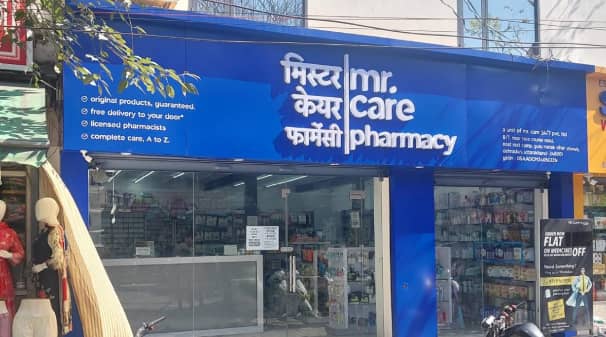
Mr Care Pharmacy operates with the understanding that most patients need more than just a medicine counter. The pharmacy focuses on stocking a comprehensive range of medicines both branded and generic while offering guidance that helps patients make informed decisions rather than just transactional ones.
The approach at Mr Care Pharmacy reflects something straightforward: if a patient leaves the pharmacy more confused than when they arrived, the service hasn’t done its job. That means staff who take time to explain prescriptions, a home delivery option that serves patients who can’t make the trip, and a range of basic diagnostic services that help people track their health between doctor visits.
How to Get the Most from Your Pharmacy Visit: A Quick Checklist
- Bring your complete prescription, including the doctor’s name and date
- Ask the pharmacist to confirm the correct dosage and timing before you leave
- Mention all other medicines you’re currently taking to check for interactions
- Ask whether a generic alternative is available if cost is a concern
- Confirm the correct storage instructions (refrigeration, away from light, etc.)
- Request a callback number or delivery option if you can’t visit regularly
Pharmacy Services for Chronic Disease Management
India carries one of the world’s largest burdens of chronic non-communicable diseases. The ICMR’s 2023 report on the burden of disease in India placed cardiovascular disease, diabetes, and chronic respiratory disease among the top contributors to disability-adjusted life years nationally.
For patients managing these conditions, pharmacy services are not occasional touchpoints they are part of a weekly or monthly routine. Here is what good pharmacy support looks like for chronic patients:
Medication Adherence Support
Many patients with hypertension or diabetes stop taking medication once their symptoms improve, not realizing these conditions require long-term management. A pharmacist who explains why the medication continues and what happens if it stops is providing care that many doctors simply don’t have time to give in a short consultation.
Refill Reminders and Scheduled Delivery
Running out of blood pressure medication mid-month isn’t just an inconvenience, it creates a gap in treatment. Pharmacies that offer reminder services or scheduled monthly deliveries help patients stay on track without effort on their part.
Regular Health Monitoring
Blood pressure checks, glucose monitoring, and weight tracking are simple services, but they create a feedback loop for patients between doctor appointments. A patient who knows their blood pressure is creeping up between visits can act earlier than one who only finds out at a quarterly checkup.
What to Look for When Choosing a Pharmacy
Not all pharmacies offer the same level of service. If you’re looking for affordable pharmacy services in Dehradun, here are the things worth checking before you commit to a regular provider:
- Licensing: The pharmacy should be registered under the Drugs and Cosmetics Act, 1940, and display its license visibly.
- Pharmacist availability: A qualified pharmacist (B.Pharm or M.Pharm) should be on-site during operating hours, not just support staff.
- Generic medicine stock: Availability of approved generics alongside branded medicines gives you real pricing options.
- Cold chain compliance: Medicines that require refrigeration (insulin, certain vaccines, biologics) should be stored in a proper cold chain. Ask about this if it’s relevant to your medication.
- Delivery and accessibility: For long-term patients, knowing whether the pharmacy offers delivery and how to reach someone by phone matters.
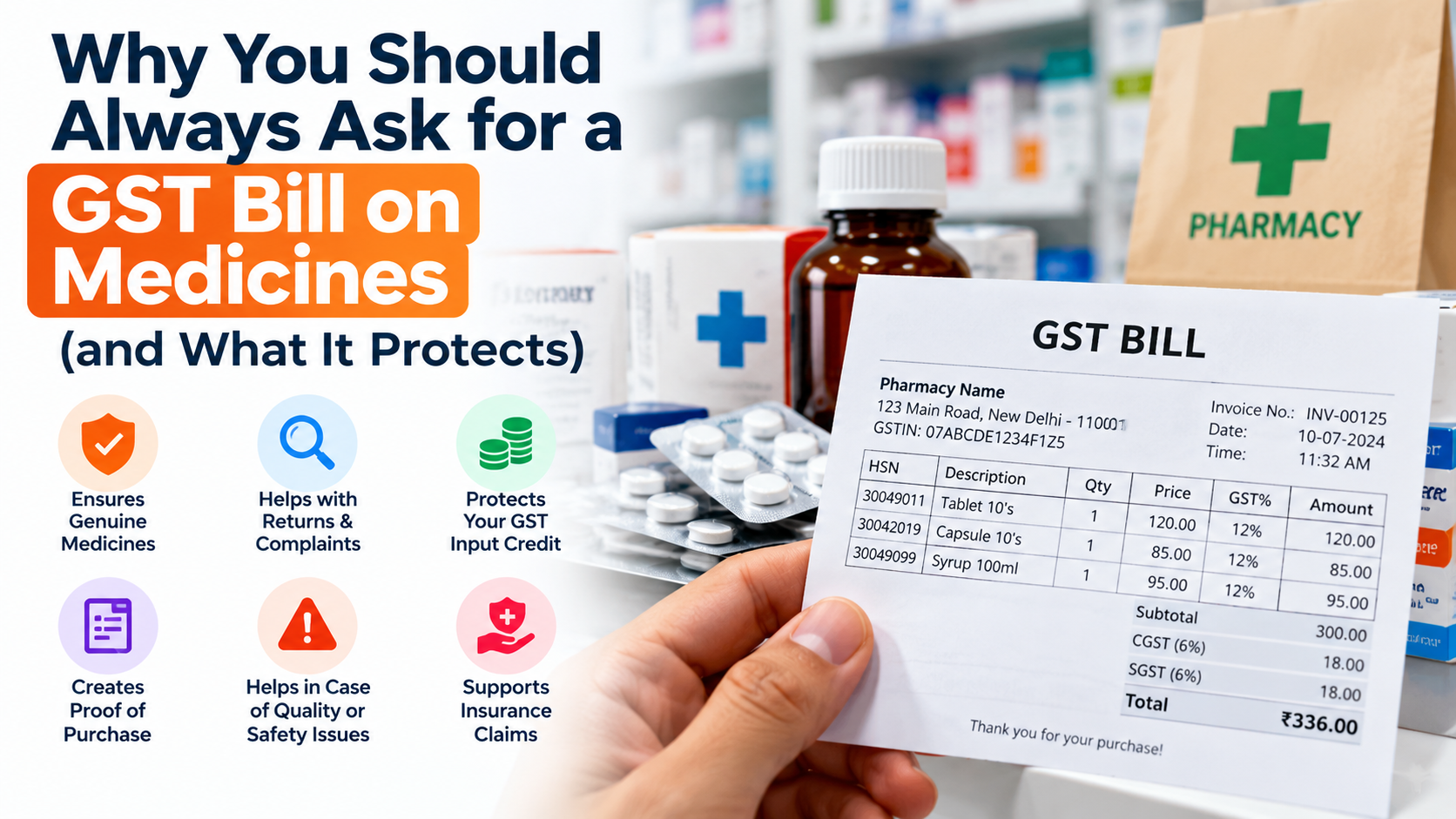
- Transparent billing: You should receive an itemized receipt for every purchase, especially for controlled or high-value medicines.
The Role of Technology in Making Pharmacy Services More Accessible
Digital tools have changed how patients interact with pharmacy services — largely for the better. Online prescription uploads, medicine availability checks, delivery tracking, and digital health records all reduce friction in the process.
The government’s Ayushman Bharat Digital Mission (ABDM), launched in 2021, aims to create a national digital health infrastructure where prescriptions, test results, and health records are linked electronically. As this system matures, patients in cities like Dehradun will be able to share digital prescriptions directly with pharmacies, reducing errors from handwritten notes and simplifying the refill process significantly.
Mr Care Pharmacy stays current with these shifts because better tools mean patients spend less time on logistics and more time focused on actually getting better.
A Note on Self-Medication and When to Consult a Professional
Pharmacies are an accessible first stop for minor health concerns, a mild fever, a seasonal cough, a small wound that needs dressing. Over-the-counter medicines can handle a lot. But there are clear limits to what self-medication should cover.
The CDSCO’s categorization of Schedule H and Schedule X drugs exists for a reason. Antibiotics, for example, should not be purchased without a prescription antibiotic resistance is a public health crisis accelerated by inappropriate use. Painkillers in the NSAID category carry cardiovascular and gastrointestinal risks when used long-term without supervision.
A trustworthy pharmacist will tell you when a symptom needs a doctor, not just a medicine. That kind of honest guidance is part of what makes pharmacy services genuinely healthcare rather than just retail.